← All ErasWalk it in 3D →
Era hub · Illinois Valley3 places on file

1933–1953

1933–1953 — When LaSalle Ran Sixty Saloons and a Dozen Casinos

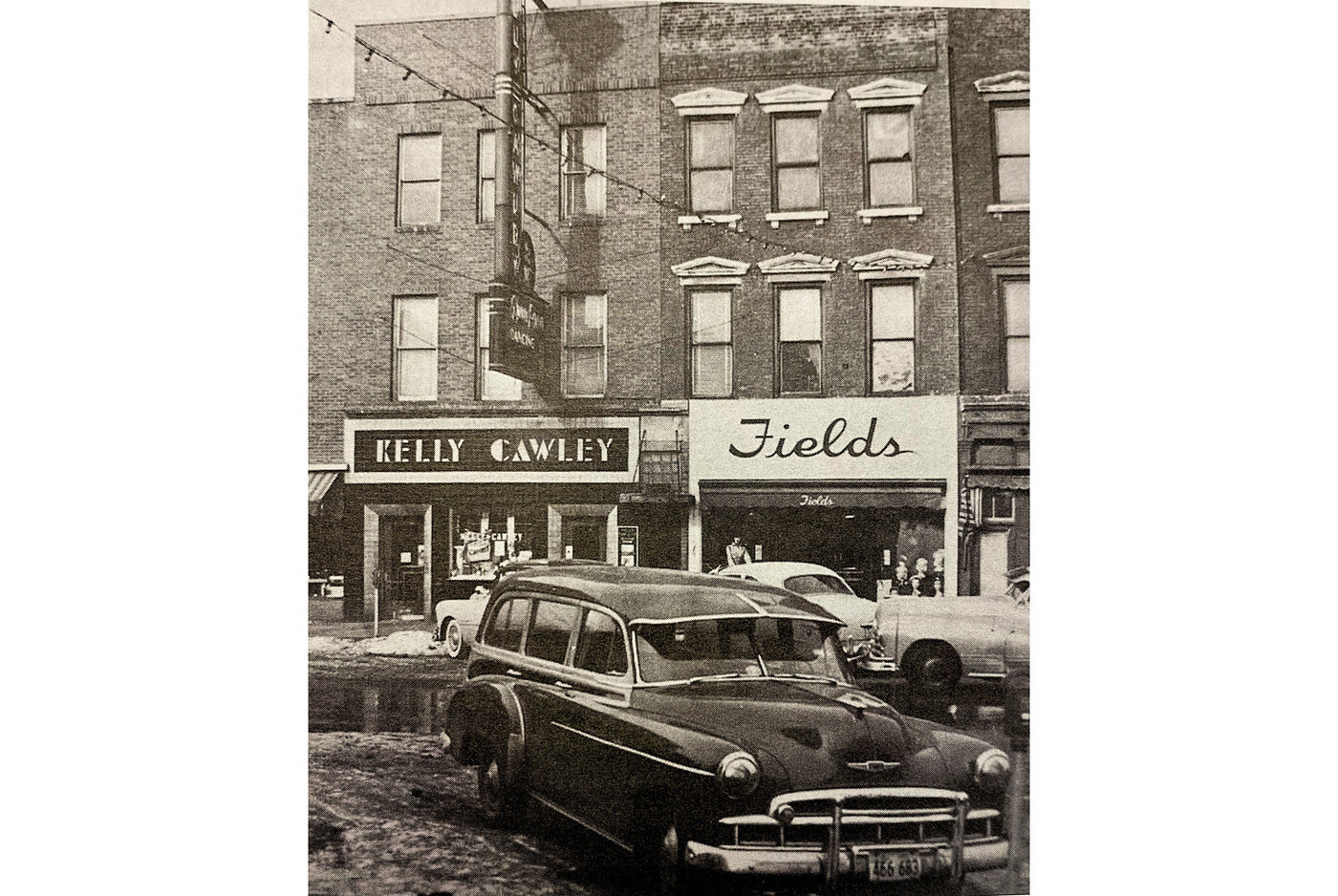
From the end of Prohibition until February 21, 1953, First Street in LaSalle ran wide open. Kelly & Cawley's at 641. The Silver Congo. The Cotton Club. The Rose Bowl. Club 359. Little Jimmy's Club 109.

Tom Cawley was the Czar of Gambling — paid off four mayors and three police chiefs, kept the Chicago Outfit out of his territory, refunded ruined housewives without argument on the condition the family never came back.

State's Attorney Harland Warren timed his raid for the Saturday afternoon before Washington's Birthday so the banks would close and Cawley couldn't post bond. They came down the stairs with two craps tables, the roulette wheel, the bingo barrel, racing forms, and chips. The phone in the cashier cage rang the entire time. Warren picked it up himself and told the callers there'd be no bets today.

Places from this era

3 dispatches
Kelly & Cawley's

No. 01 · LaSalle

Kelly & Cawley's

The country casino at the heart of Little Reno

Three-story brick, glazed tan facade, a neon sign that lit the block in every direction. The first floor was the cover — a long bar, dining tables, a baseball pool, slot machines, and a racing-wire that clattered out results live. Up the stairway to the second floor was where the heavy money played: an ornate round counter bar, a huge roulette wheel, fifty more slots, poker rooms, and a bandstand where Donald O'Connor and George Gobel worked the nights. Steak dinners cost fifty cents, chicken twenty-five — Cawley's slot revenue covered the giveaway. He had a quiet policy with ruined housewives: he refunded their husband's losses without argument, on the condition the family never came back. State's Attorney Harland Warren timed his raid for the Saturday afternoon before Washington's Birthday, 1953, so the banks would close and Cawley couldn't post bond. They came down the stairs with two craps tables, the roulette wheel, the bingo barrel, racing forms, and chips. The phone in the cashier cage rang the entire time. Warren picked it up himself, smiled, and told the callers there'd be no bets today.

Gambling · Vice
Mickey's Service Station

No. 02 · Peru

Mickey's Service Station

Tinney Cosgrove's son ran the legitimate front

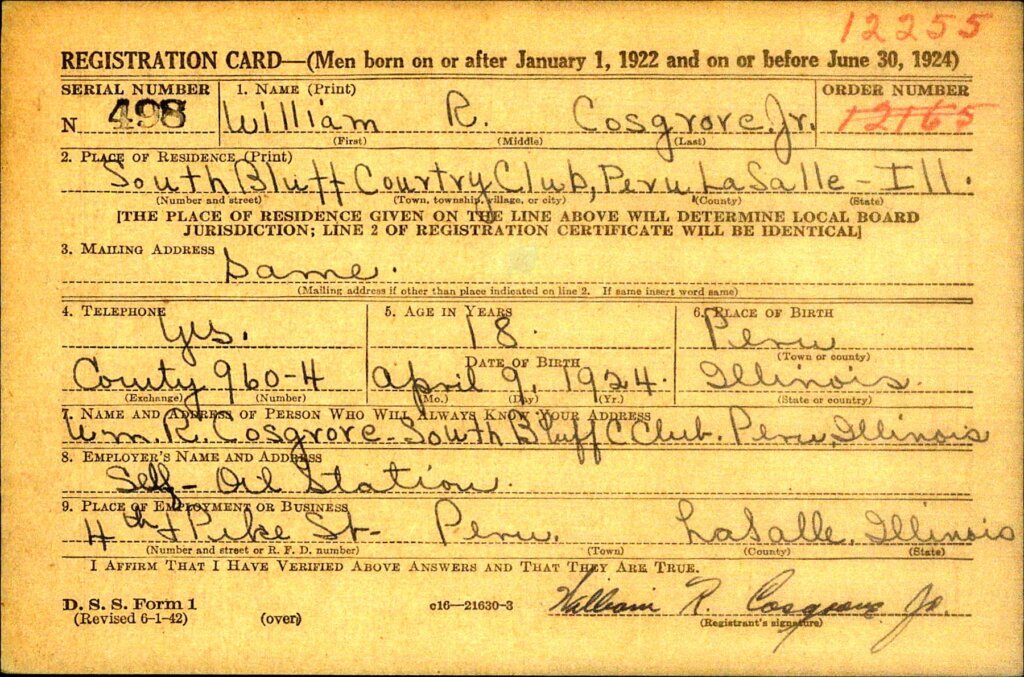
After high school William R. 'Mickey' Cosgrove Jr. ran a service station at the corner of Fourth and Pike in Peru while his father William R. 'Tinney' Cosgrove Sr. ran the Silver Congo on First Street in LaSalle and broke ground on a movie theater called The Peacock. Mickey enlisted on February 23, 1943, landed at Omaha Beach in June 1944 with the 33rd Armored Regiment, was wounded in the Battle of Hill 91 in July, and was killed in action on August 29, 1944 — twenty-two days after returning to duty. His remains came home in 1948. The day Tinney got the telegram, he walked off the Peacock construction site and never came back. Mickey's pump went quiet that summer. The legitimate Cosgrove front died with the son.

Landmark

South Bluff Country Club

No. 03 · Peru

South Bluff Country Club

Tinney Cosgrove's other club — and his family's home

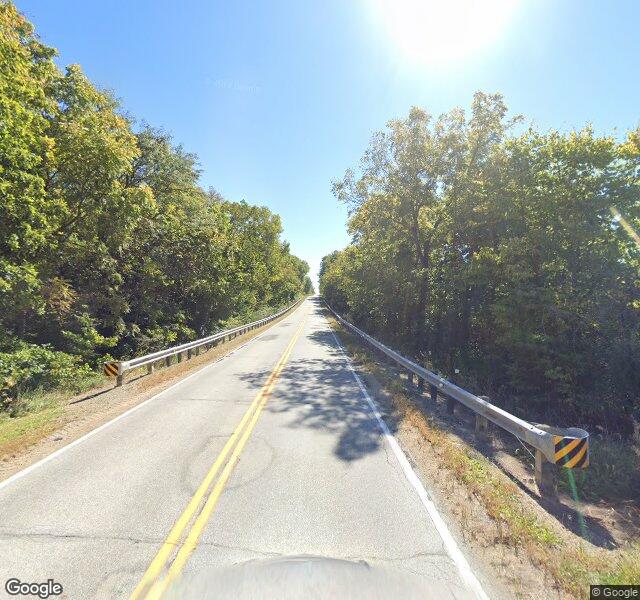
A par-36, 2,851-yard golf course built on the bluff above Peru in 1930. By the late 1930s William R. 'Tinney' Cosgrove Sr. — proprietor of the Silver Congo on First Street — was running the gambling operation here too. The remarkable part: the Cosgrove family lived on the grounds for a stretch in the early 1940s. When Mickey registered for the WWII draft on June 30, 1942, this country club was the address he wrote on the form. The clubhouse doubled as a Sunday brunch spot, a wedding venue, and an after-hours casino. The course is still open today and you can still walk the same bluff Mickey walked the morning he enlisted.

Gambling · Vice

Other eras on the timeline

An interactive expedition

Walk this era in 3D

Enter the world