← Front PageAll Places →

Section B · Who's Who

The People

The gambling kings, the abolitionists, the engineers, the philosophers and the soldiers who made the Illinois Valley what it was — from 1682 to 1953.

17 names on file

LaSalle

9 names
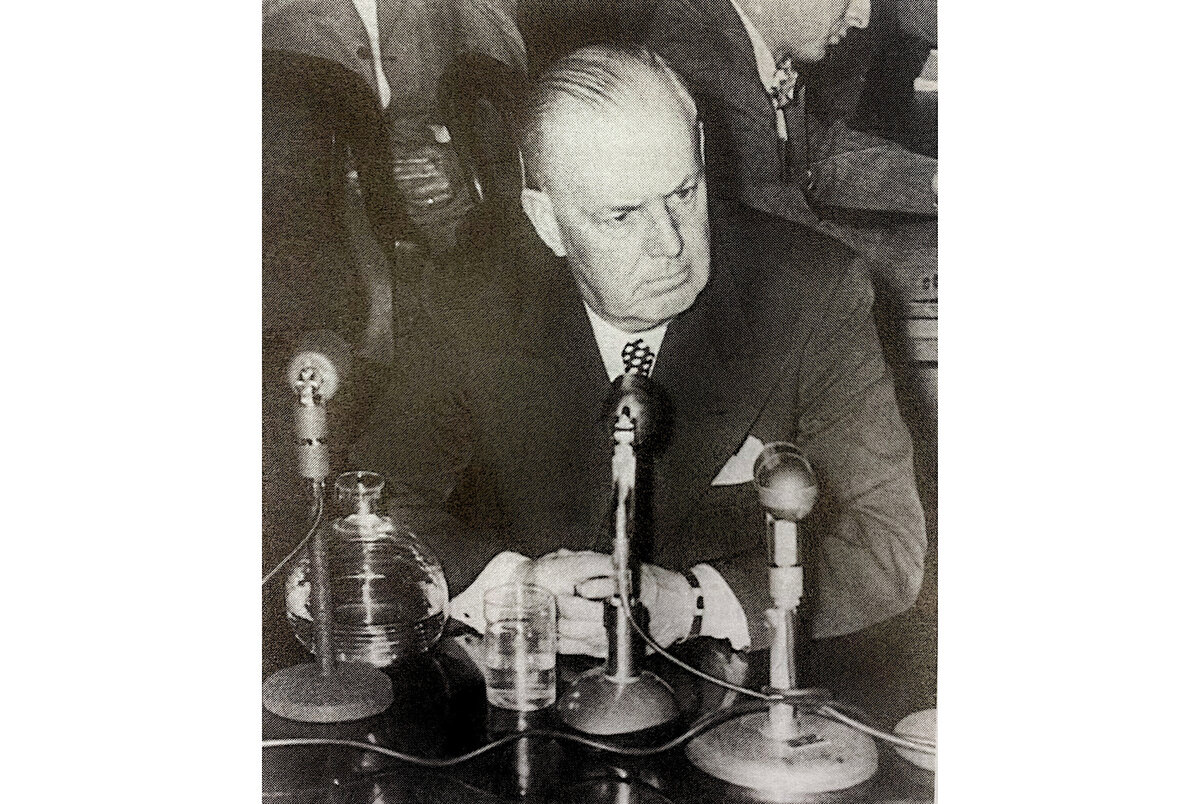
Thomas J. Cawley

Thomas J. Cawley

1890s — January 18, 1961

The Czar of Gambling

A stocky LaSalle Irishman, son of a coal miner, who quit his streetcar conductor job in the mid-1920s to go in on a pool hall and cigar store with Vincent Kelly. Took out a bank loan in 1937 to convert the cigar store into a full casino at 641 First Street. For the next twenty years he was 'the Czar of Gambling' — paid off four mayors and three police chiefs, kept the Chicago Outfit out of his territory, refunded ruined housewives without argument on the condition the family never came back. When the U.S. Senate hauled him in front of Estes Kefauver in October of 1950, he answered every question — no Fifth Amendment, no 'I don't recall.' After the 1953 raid he liquidated his gambling fortune into commercial real estate, where he was again successful. His descendant Daniel Cawley runs Cawley Chicago Commercial Real Estate today. The name on the casino sign lives on as a brokerage.

Full profile →
No portrait

Herbie Hummer

1930s–1950s

House bandleader at Kelly & Cawley's

The piano player Tom Cawley hired in the 1930s. Around 1939 Hummer assembled a six-piece band that worked the second-floor bandstand six nights a week, often until three or four in the morning. He stayed for nearly sixteen years. The single best primary-source quote we have on Little Reno is his: "Man, those were the days. You actually had to fight the crowds on the streets and sidewalks to get from Cawley's place to the Silver Congo down the way. The Rock Island Rocket would bring trainloads of folks down from Chicago and you couldn't find a motel or hotel room within miles of LaSalle. Cawley's was a well-known place. I once saw Jack Dempsey and Dizzy Dean there."

Full profile →
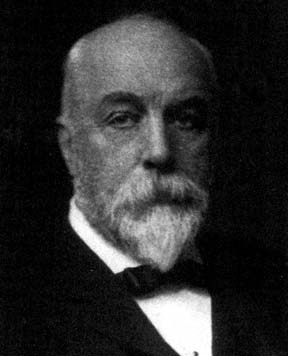
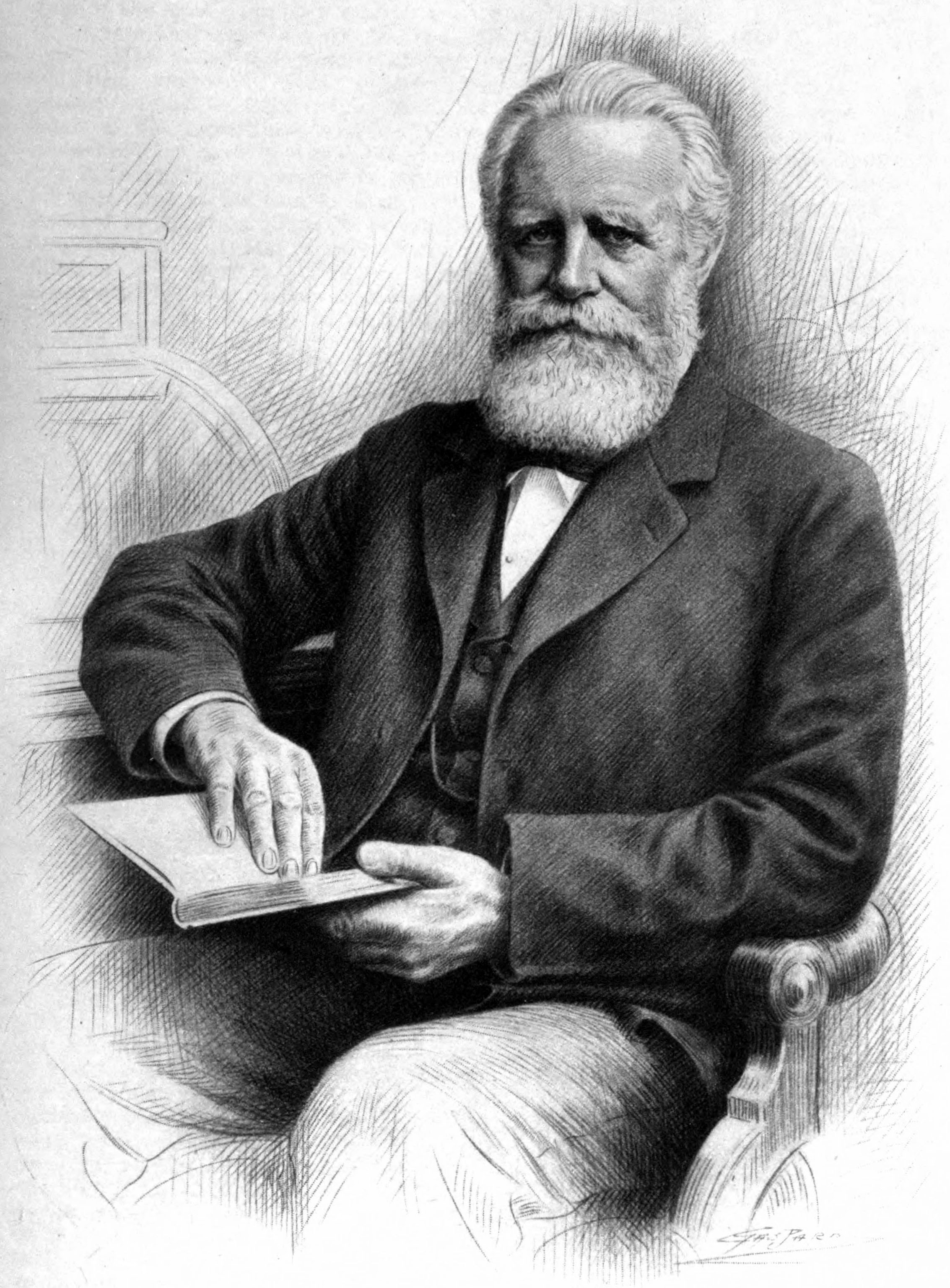
Edward C. Hegeler

Edward C. Hegeler

1835–1910

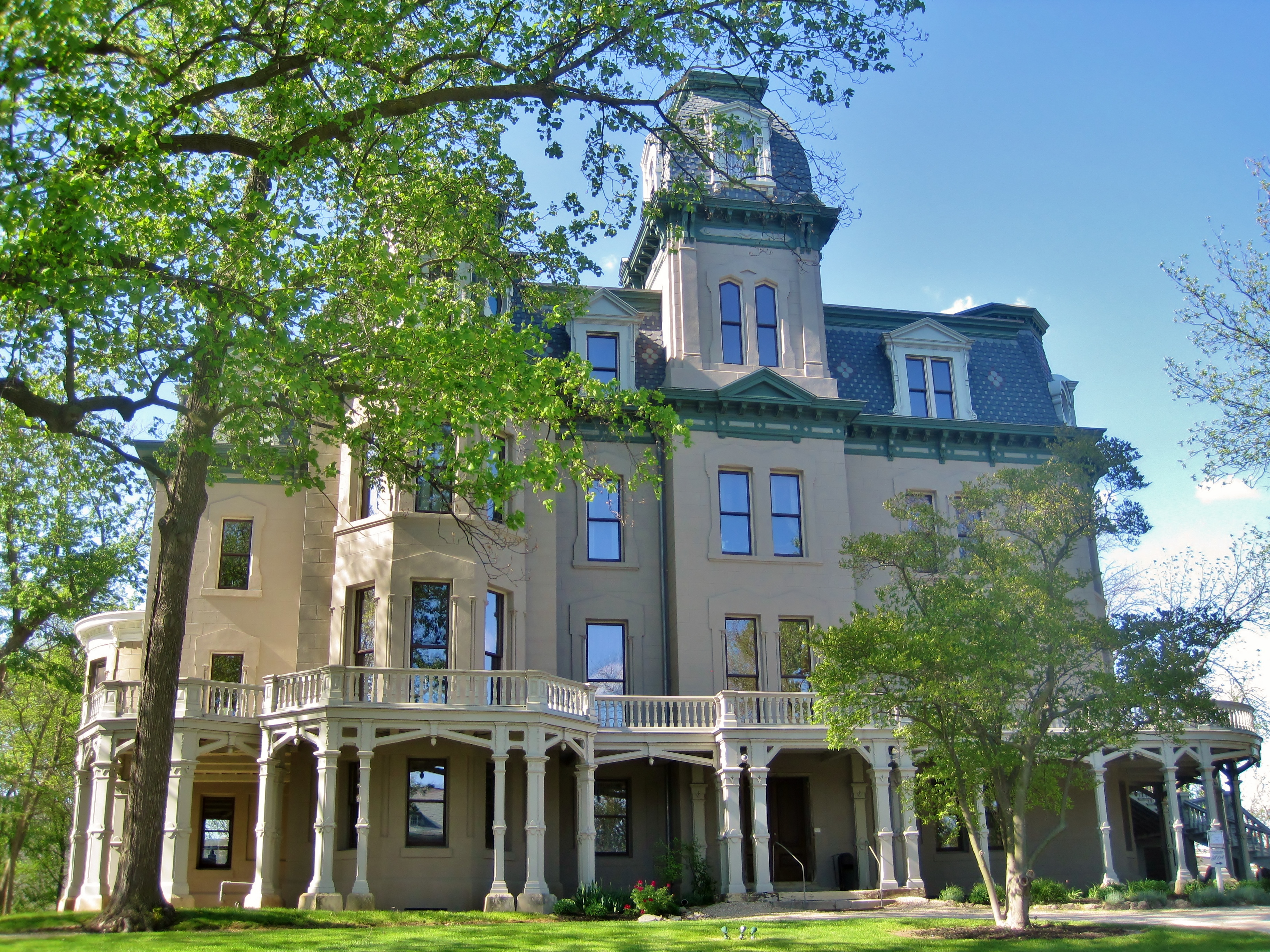
Zinc magnate, builder of the mansion

Born in Bremen, German Confederation. Studied at the Polytechnic Institute at Hanover (1851-53), then the School of Mines at Freiberg, Saxony, where he met Frederick Matthiessen. Sailed to Boston in March 1857. Tested zinc-smelting prospects in Pennsylvania, Pittsburgh, Johnstown, and Missouri before picking LaSalle for its coal. Invented the muffle roast kiln, still used worldwide. Founded Open Court Publishing in 1887 to bring rigorous philosophy and Eastern religion to American readers. With his wife Camilla had ten children. Instituted an eight-hour workday at the zinc plant in 1885 — almost a decade before federal law required it.

Full profile →
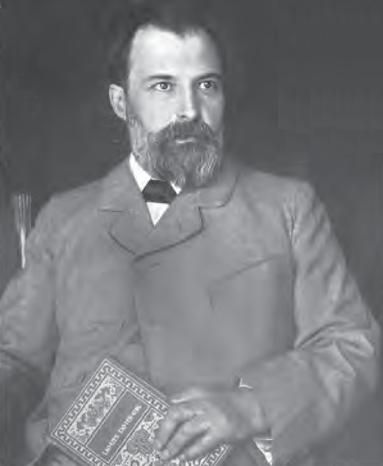
Dr. Paul Carus

Dr. Paul Carus

1852–1919

Editor, Open Court Publishing

German-American philosopher. Hired in 1887 as Open Court's first editor and married Edward Hegeler's daughter Mary the next year — they had seven children. Wrote seventy-five books and roughly fifteen hundred articles. Credited with introducing Buddhism to the Western world through The Gospel of Buddha According to Old Records. Brought D.T. Suzuki — later the most influential Zen scholar of the 20th century — to LaSalle for eleven years. His correspondents and Open Court contributors included Charles Sanders Peirce, William James, Leo Tolstoy, Bertrand Russell, F. Max Müller, and Gottlob Frege.

Full profile →
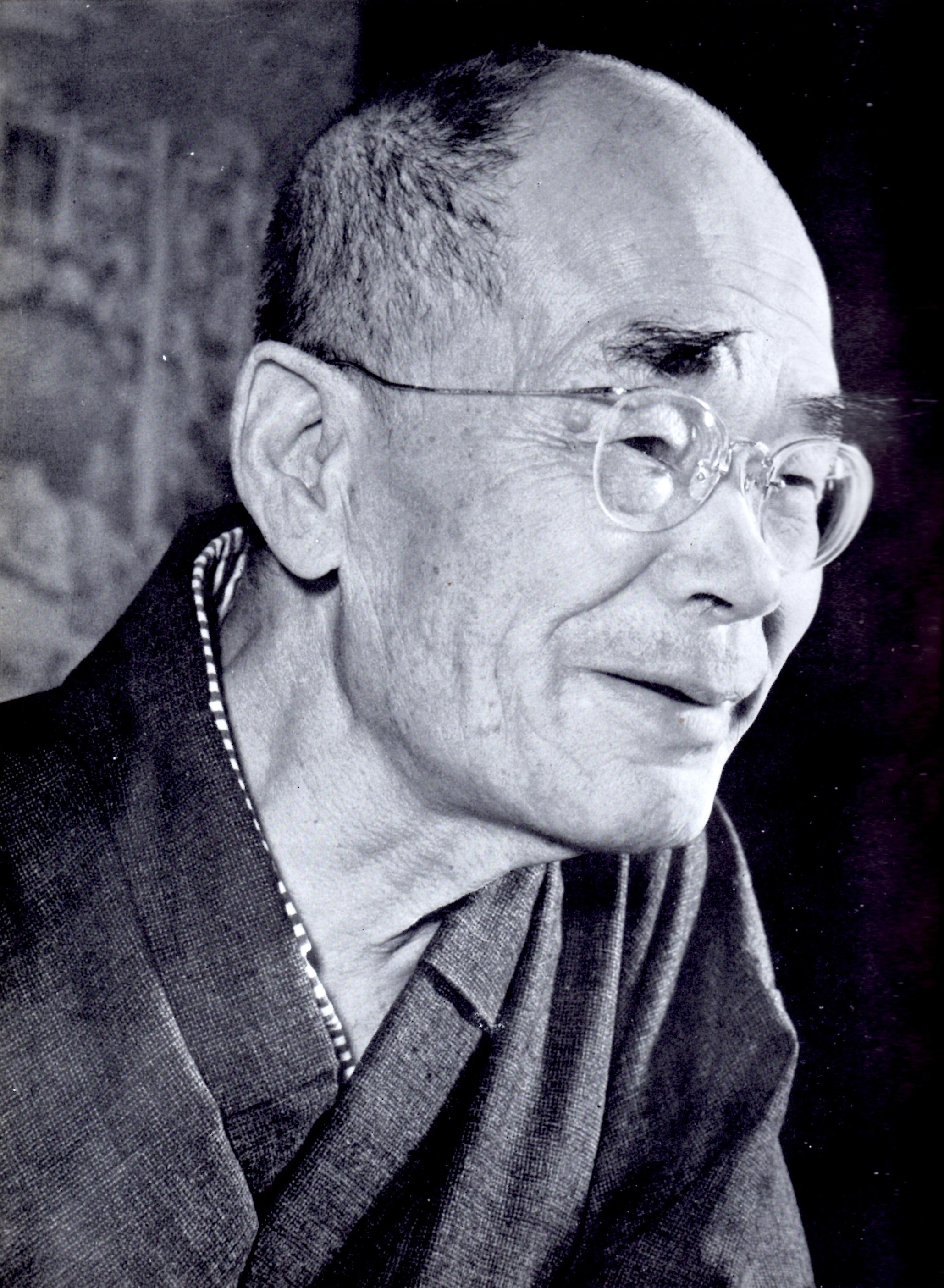
D.T. Suzuki

D.T. Suzuki

1870–1966

Zen Buddhist scholar

Lived and worked at the Hegeler-Carus Mansion in LaSalle from 1897 to 1908. Eleven years. Later became the most influential teacher of Zen Buddhism in the Western world. The fact that he did this in a sandstone-and-zinc river town in Illinois is one of the great unknown stories of American religious history.

Full profile →
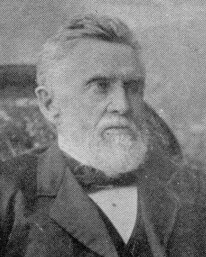
Frederick William Matthiessen

Frederick William Matthiessen

1835–1918

Zinc magnate, mayor, philanthropist

German immigrant. Hegeler's business partner from the Freiberg School of Mines. Five-term mayor of LaSalle (1886-1897, with one gap). Personally paid for the city's waterworks, electric station, library, and high school. Reorganized the bankrupt United Clock Company in 1888 as Western Clock Manufacturing — what would become Westclox. Donated his Deer Park estate for public use during his lifetime, charging a nominal entrance fee for charity; it was renamed Matthiessen State Park in 1943. The morning of his February 1918 funeral, the entire community of LaSalle suspended business from eleven a.m. to noon.

Full profile →
Mary Hegeler Carus

Mary Hegeler Carus

1861–1936

Engineer, zinc-company president, Open Court editor

The first woman to earn an engineering degree at the University of Michigan (B.S. Engineering, 1882). The first woman legally registered as a student at the Bergakademie Freiberg in Germany (1885-86). Took over the Matthiessen-Hegeler Zinc Company as president from 1903 to 1936 — running an industrial empire that smelted more zinc than any company in the country. Married the philosopher Paul Carus in 1888; together they ran Open Court Publishing while raising seven children in the fifty-seven-room mansion on Seventh Street.

Full profile →
No portrait

Alwin Carus

1901–2004

Last family resident of the Hegeler-Carus Mansion

Lived alone in the fifty-seven-room mansion until he was ninety-nine. Donated the building to the new Hegeler Carus Foundation in 1995 with two conditions: nothing could be sold to fund the upkeep, and he got to keep living there. He'd mosey downstairs to chat with tour visitors. Died at one hundred and two.

Full profile →

Peru

2 names
No portrait

William R. "Tinney" Cosgrove Sr.

active ~1933–1953

Independent operator — Silver Congo & South Bluff Country Club

The other gambling king of Little Reno. Cawley ran 641 First Street; Tinney ran the Silver Congo and the South Bluff Country Club — and at one point lived with his family at the South Bluff CC itself. Migrated from Peru to LaSalle between 1935 and 1948. Started in a Peru soft-drink parlor on East Fifth Street (Prohibition-era code for a saloon). Was building a movie theater called The Peacock in LaSalle when his son Mickey was killed in WWII in August 1944 — he walked away from the project, and the unfinished building stood for years.

Full profile →
No portrait

William R. "Mickey" Cosgrove Jr.

Apr 9, 1924 — Aug 29, 1944

Tinney's son · Pvt., 33rd Armored Regiment · KIA 29 Aug 1944

Born in Peru on April 9, 1924 to William R. Cosgrove Sr. and Mabel Kohr Cosgrove. Five-foot-five, 155 pounds, hazel eyes, brown hair. After high school he ran a service station at 4th and Pike. Enlisted Feb 23, 1943 at age 18, placed in Company I of the 33rd Armored Regiment. Landed at Omaha Beach on June 26, 1944. Wounded in the Battle of Hill 91 on July 10–11, returned to duty August 7, killed in action twenty-two days later on August 29. His remains came home in 1948 — funeral and burial at St. Vincent Cemetery in LaSalle, Purple Heart awarded posthumously. The day Tinney got the telegram, he walked off the Peacock construction site and never came back.

Full profile →

Ottawa

1 name
John Hossack

John Hossack

1806–?

Abolitionist, Underground Railroad operator

Scottish immigrant who built a house in Ottawa in 1854 and ran it as a fugitive-slave way station. In 1860 he stood up in a federal courtroom and yelled 'If you want your liberty, come!' across the room. Took ten days in jail and a $100 fine for it.

Full profile →

No Fixed Address

5 names
No portrait

Harland D. Warren

1952–1960

Reformer State's Attorney, LaSalle County

Farm-boy from a hundred-and-fifty-acre homestead in Serena Township, thirteen miles north of Ottawa. Business and political-science degree, then a law degree from the University of Illinois, then four years in the U.S. Navy Reserve as Chief Defense Legal Counsel for Navy and Marine court-martial defendants at the Charleston Naval Base. Discharged 1946. Won the LaSalle County State's Attorney race in November 1952 on a Republican ticket. His campaign promise: "Gambling and prostitution cannot exist in a city if the police chief wants to do his job." Within weeks of being sworn in, a stone shattered his front window. He hired two private detectives from Chicago out of his own pocket because he couldn't trust local cops to investigate Cawley. He timed his February 21, 1953 raid for the Saturday afternoon before Washington's Birthday so banks would be closed all weekend and Cawley couldn't post a cash bond. He was re-elected in 1956. Two terms, then back to private practice in Ottawa.

No portrait

Marianne Carus

born Germany

Founder of Cricket Magazine

Granddaughter-in-law to Paul and Mary. Founded Cricket Magazine for children in 1973, published out of LaSalle through Open Court's children's-literature arm. Cricket ran for fifty years; its illustrators included Trina Schart Hyman, Maurice Sendak, and David Macaulay.

No portrait

Donald O'Connor

1925–2003

Vaudeville performer, later 'Make 'Em Laugh' in Singin' in the Rain

Born to a vaudeville family. By the time he played the Kelly & Cawley's bandstand in the late 1940s he was a Universal Pictures musical regular. Drafted into Special Services entertainment during WWII. His most famous performance — Make 'Em Laugh in Singin' in the Rain — came in 1952. The novelty of it: nationally famous performers worked First Street between Hollywood pictures.

No portrait

George Gobel

1919–1991

Comedian — 'Lonesome George'

Played Cawley's bandstand on his way up. Got his own NBC sitcom — The George Gobel Show — in 1954, and a Most Outstanding New Personality Emmy that same year. Catchphrase: "Well, I'll be a dirty bird." Cawley booked him while he was still working clubs.

No portrait

Daniel Cawley

present day

Tom Cawley's descendant, founder of Cawley Chicago

Runs Cawley Chicago Commercial Real Estate today. The family pivot Tom made after the 1953 raid — gambling fortune to commercial real estate — is the same business his descendant carries on. The name on the casino sign at 641 First Street still hangs over a Chicago brokerage.

Keep reading

By place, by era, or in 3D