← All ErasWalk it in 3D →
Era hub · Illinois Valley3 places on file

1900–1933

1900–1933 — Cherry Mine, Big Ben, and the Hotel Kaskaskia

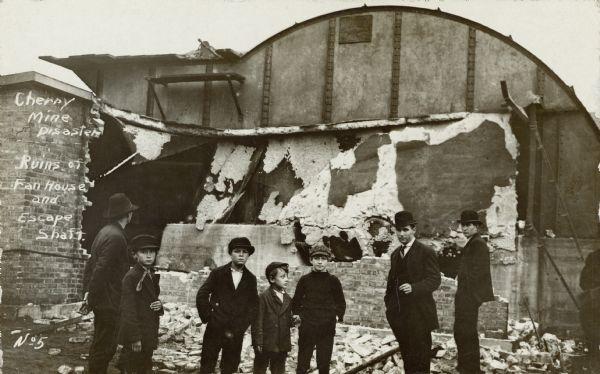
On November 13, 1909, a hay cart in the Cherry Mine caught fire from a kerosene lamp. Two hundred and fifty-nine men and boys died in eight minutes — the worst coal mine disaster in Illinois history. The 1910 Mine Safety Laws and the 1911 Workmen's Compensation Act were both written because of it.

In Peru, Westclox patented Big Ben in 1908 and ran the first national alarm-clock advertisement in the Saturday Evening Post in 1910.

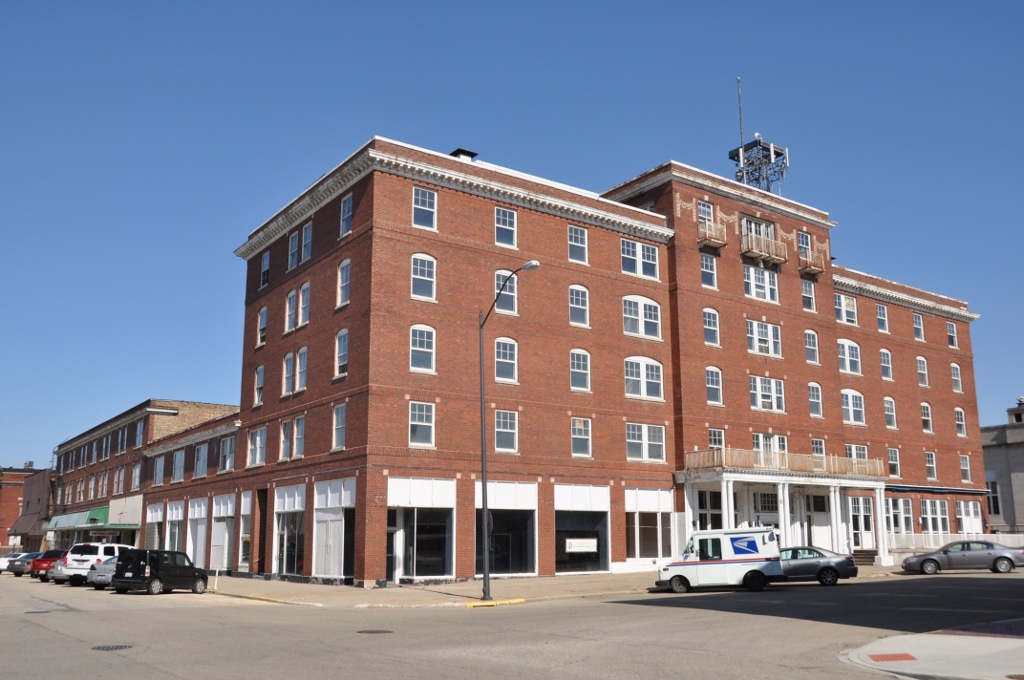
In 1915, the Hotel Kaskaskia opened on Marquette Street in LaSalle. Six stories. One hundred and seven rooms. Designed by the same Marshall & Fox firm that built the Drake and the Blackstone in Chicago. Amelia Earhart slept here. So did Admiral Chester Nimitz.

Places from this era

3 dispatches
Hotel Kaskaskia

No. 01 · LaSalle

Hotel Kaskaskia

Six stories of Marshall & Fox elegance — and rumored Prohibition speakeasy

Six stories. One hundred and seven rooms. Colonial Revival red brick. Designed in 1914 by Marshall & Fox of Chicago — the same firm that built the Drake and the Blackstone — for the seven Illinois Valley businessmen who called themselves the Kaskaskia Hotel Group. Governor Edward Dunne was the first guest in September 1915. Amelia Earhart slept here. So did Spike Jones and his City Slickers, the opera star Amelita Galli-Curci, and Pacific Fleet commander Admiral Chester Nimitz. WJBC radio broadcast live from the third floor from 1928 to 1934 before the Depression sent it to Bloomington. The basement reportedly ran a speakeasy through Prohibition. A young woman jumped from a top-floor window in the 1920s; another from the roof in 1948. The elevator still opens its doors to no one. Closed in 2001 after eighty-six years. In 2003, industrialist Blouke Carus — yes, that Carus family — bought it at a sheriff's auction for one dollar to keep it from the wrecking ball.

Landmark
Cherry Mine Memorial

No. 02 · Cherry

Cherry Mine Memorial

November 13, 1909. 259 dead in eight minutes.

A hay cart caught fire from a kerosene lamp. The flame reached the wooden support timbers. Two hundred and fifty-nine men and boys — many of them Italian and Eastern European immigrants — died in the worst coal mine disaster in Illinois history and the third-deadliest in American history. The bodies were brought ten miles south to LaSalle for processing. Eight days after the fire, twenty miners walked out alive. The disaster directly produced Illinois's 1910 Mine Safety Laws and the 1911 Workmen's Compensation Act — two of the foundational pieces of American labor law, both written because of what happened in Cherry, Illinois. When Tom Cawley was running First Street thirty years later, the men in his bar at midnight were old enough to remember which neighbors had not come home.

Disaster · Labor

LaSalle Public Library

No. 03 · LaSalle

LaSalle Public Library

A Carnegie library, opened January 19, 1907

Built in 1907 with a twenty-five-thousand-dollar grant from Andrew Carnegie and a thirty-five-thousand-dollar municipal bond. The lot at the northwest corner of Third and Marquette had been bought in 1905 for $4,260. When the doors opened on January 19, 1907, the library held three thousand three hundred and sixty-four volumes. The children of the Hegeler-Carus family probably learned to read here. Open Court Publishing donated stacks of books. Today the library holds about sixty-five thousand volumes, expanded a youth services and meeting wing in 2003, and is one of only eighty-three Carnegie libraries still operating in Illinois — a small, perfect piece of the LaSalle that the gambling tourists never saw.

Civic · Religion

Other eras on the timeline

An interactive expedition

Walk this era in 3D

Enter the world