← All TownsWalk it in 3D →
Town hub · Illinois Valley2 places on file

Utica, Illinois

Utica, Illinois — Starved Rock and the I&M Canal

Utica is where deep history surfaces. The 125-foot sandstone bluff of Starved Rock was carved out by glacial meltwater fifteen thousand years ago. Marquette and Jolliet saw it in 1673; Henri Tonti finished Fort St. Louis on top in the winter of 1683 on La Salle's orders.

The legend that gave the rock its name dates from around 1769: after Ottawa Chief Pontiac was assassinated by an Illinois warrior in Cahokia, the Ottawa and Potawatomi cornered a band of Illinois on top of the rock and besieged them until they starved.

A few miles north, the LaSalle County Historical Society's six-building campus on the I&M Canal holds the regional archive — including the Native American collection from the Zimmerman Site, just across the river.

Places in Utica

2 dispatches
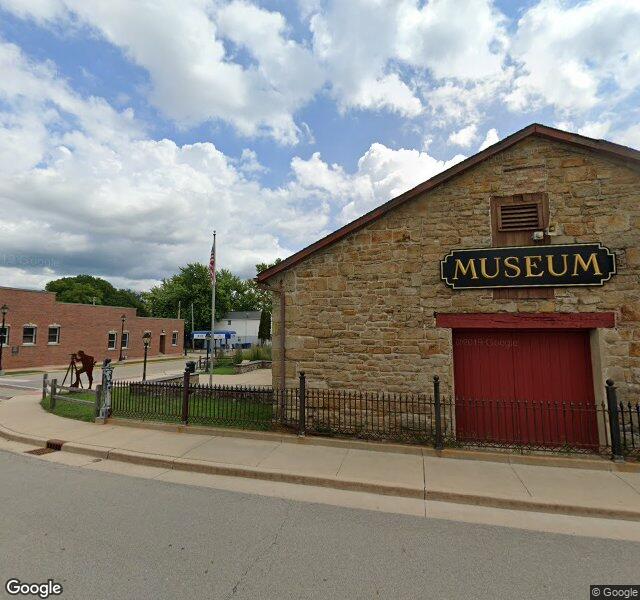
LaSalle County Historical Society

No. 01 · 1850–1900

LaSalle County Historical Society

Six buildings on the I&M Canal

The Canal Warehouse — the centerpiece of this six-building campus on the I&M Canal — was a working transshipment station when LaSalle was the western terminus of the canal that connected the Mississippi to the Great Lakes. Steamboats from New Orleans unloaded molasses, sugar, coffee. Canal boats from Chicago brought lumber, stoves, eastern fashions. Today the campus holds the most important regional archive in the Illinois Valley — including the Native American collection from the Zimmerman Site, just across the river.

Canal · Rail
Starved Rock

No. 02 · Pre-1700

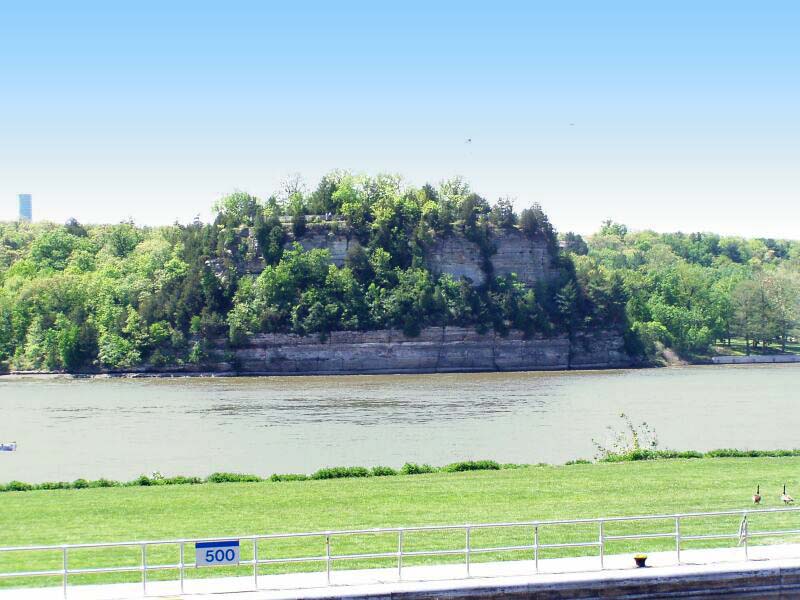
Starved Rock

Fort St. Louis, 1682. The siege legend, 1769.

A 125-foot sandstone bluff carved out by Wisconsonian glacial meltwater fifteen thousand years ago. Louis Jolliet and Father Jacques Marquette were the first Europeans to see it in 1673. In the winter of 1683, Henri Tonti finished Fort St. Louis on top — a French anchor for the fur trade with the Illinois Confederation, ordered by his commander René-Robert Cavelier, sieur de La Salle. By 1720 the fort was gone. The legend that gave the rock its name dates from around 1769: after Ottawa Chief Pontiac was assassinated by an Illinois warrior in Cahokia, the Ottawa and their Potawatomi allies cornered a band of Illinois on top of the rock and besieged them until they starved. Eleven escaped during a thunderstorm, climbing down to canoes their enemies had left at the river. Daniel Hitt bought the parcel from the federal government in 1835 for eighty-five dollars as compensation for his Army service. He sold it in 1890 to Ferdinand Walther for fifteen thousand. Walther built the original lodge, a natural pool, and a dance hall. Illinois bought it in 1911 as the state's second state park. The Civilian Conservation Corps built the current lodge and trails in the 1930s. Two million visitors a year now.

Native · Frontier

Nearby

An interactive expedition

Walk Utica in 3D

Enter the world