Matthiessen & Hegeler Zinc Works
America's largest zinc producer — and the eight-hour workday, in 1885
Sections 10–15, T33N R1E, north of the Little Vermilion River, LaSalle, IL
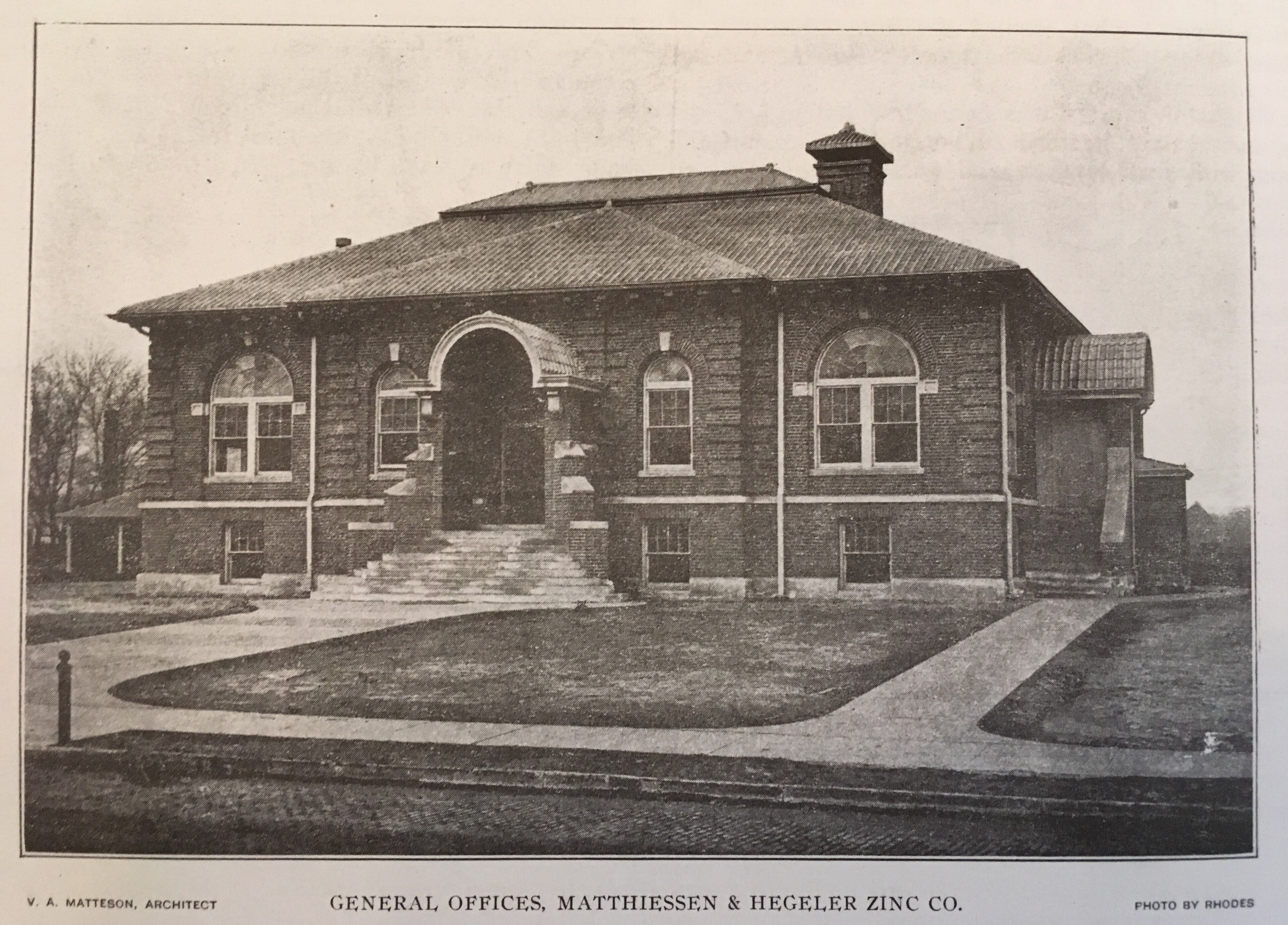
Two twenty-one-year-old German immigrants — Frederick Matthiessen and Edward Hegeler — opened a zinc smelter on a hundred-and-sixty acres north of the Little Vermilion River in 1858. They had picked LaSalle for its coal (zinc smelting takes two tons of coal per ton of zinc), the canal and the Illinois Central for transport, and Mineral Point in Wisconsin for the ore. Within thirty years it was the largest zinc producer in the United States. Hegeler's muffle roast kiln went into use worldwide. He instituted an eight-hour workday in 1885 — almost a decade ahead of federal law — paid high wages, loaned workers money to buy their houses, and ran a worker council with a real voice. From the 1880s through the 1910s, while strikes rocked American industry, the M&H Zinc Works had not a single one.
The first strike came in 1936, eighteen years after Matthiessen's death. Smelting stopped in 1961. Sulfuric-acid production stopped in 1968. The rolling mill ran until 1978. Today the southern portion is an EPA Superfund site — cadmium, lead, arsenic — but the southern boundary still operates: Hegeler's great-grandson and his wife run LaSalle Rolling Mills, supplying zinc cores for U.S. copper pennies, on the same ground.
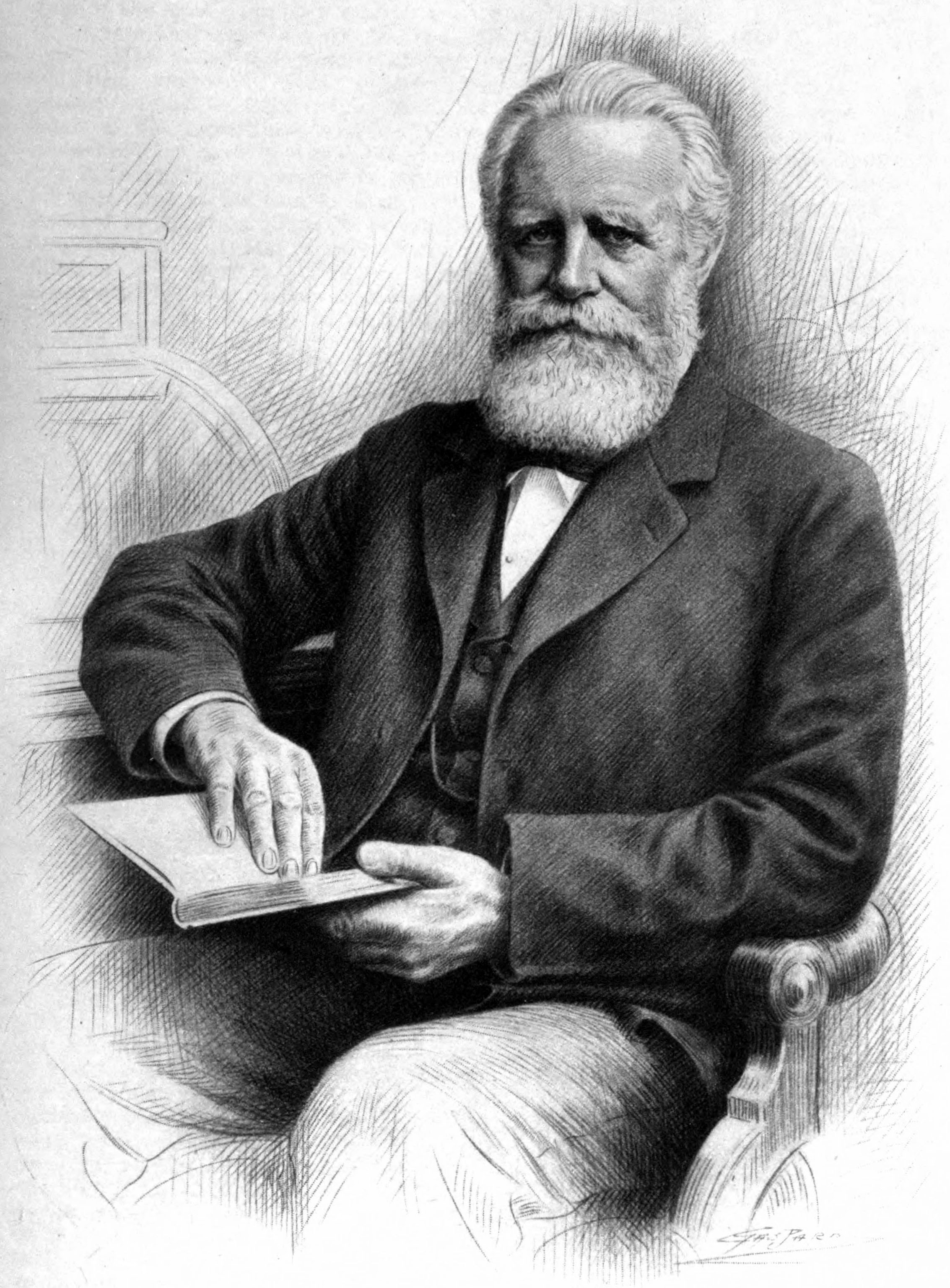
Edward C. Hegeler
1835–1910
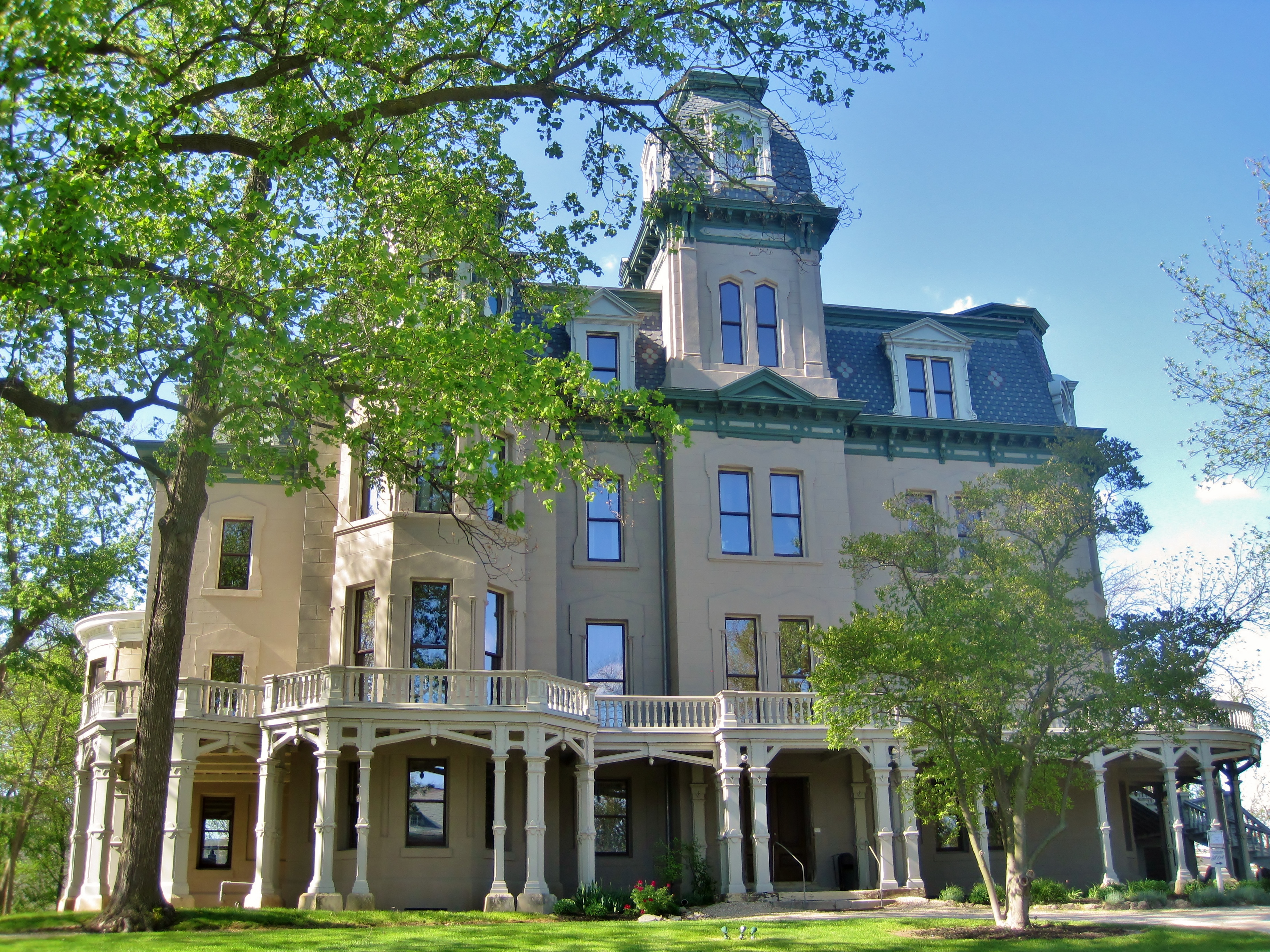
Zinc magnate, builder of the mansion
Born in Bremen, German Confederation. Studied at the Polytechnic Institute at Hanover (1851-53), then the School of Mines at Freiberg, Saxony, where he met Frederick Matthiessen. Sailed to Boston in March 1857. Tested zinc-smelting prospects in Pennsylvania, Pittsburgh, Johnstown, and Missouri before picking LaSalle for its coal. Invented the muffle roast kiln, still used worldwide. Founded Open Court Publishing in 1887 to bring rigorous philosophy and Eastern religion to American readers. With his wife Camilla had ten children. Instituted an eight-hour workday at the zinc plant in 1885 — almost a decade before federal law required it.
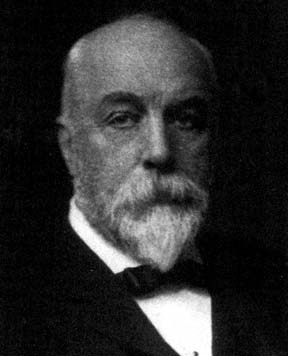
Frederick William Matthiessen
1835–1918
Zinc magnate, mayor, philanthropist
German immigrant. Hegeler's business partner from the Freiberg School of Mines. Five-term mayor of LaSalle (1886-1897, with one gap). Personally paid for the city's waterworks, electric station, library, and high school. Reorganized the bankrupt United Clock Company in 1888 as Western Clock Manufacturing — what would become Westclox. Donated his Deer Park estate for public use during his lifetime, charging a nominal entrance fee for charity; it was renamed Matthiessen State Park in 1943. The morning of his February 1918 funeral, the entire community of LaSalle suspended business from eleven a.m. to noon.
Mary Hegeler Carus
1861–1936
Engineer, zinc-company president, Open Court editor
The first woman to earn an engineering degree at the University of Michigan (B.S. Engineering, 1882). The first woman legally registered as a student at the Bergakademie Freiberg in Germany (1885-86). Took over the Matthiessen-Hegeler Zinc Company as president from 1903 to 1936 — running an industrial empire that smelted more zinc than any company in the country. Married the philosopher Paul Carus in 1888; together they ran Open Court Publishing while raising seven children in the fifty-seven-room mansion on Seventh Street.