Hegeler Carus Mansion
Where Zen Buddhism arrived in America
1307 Seventh Street, LaSalle, IL
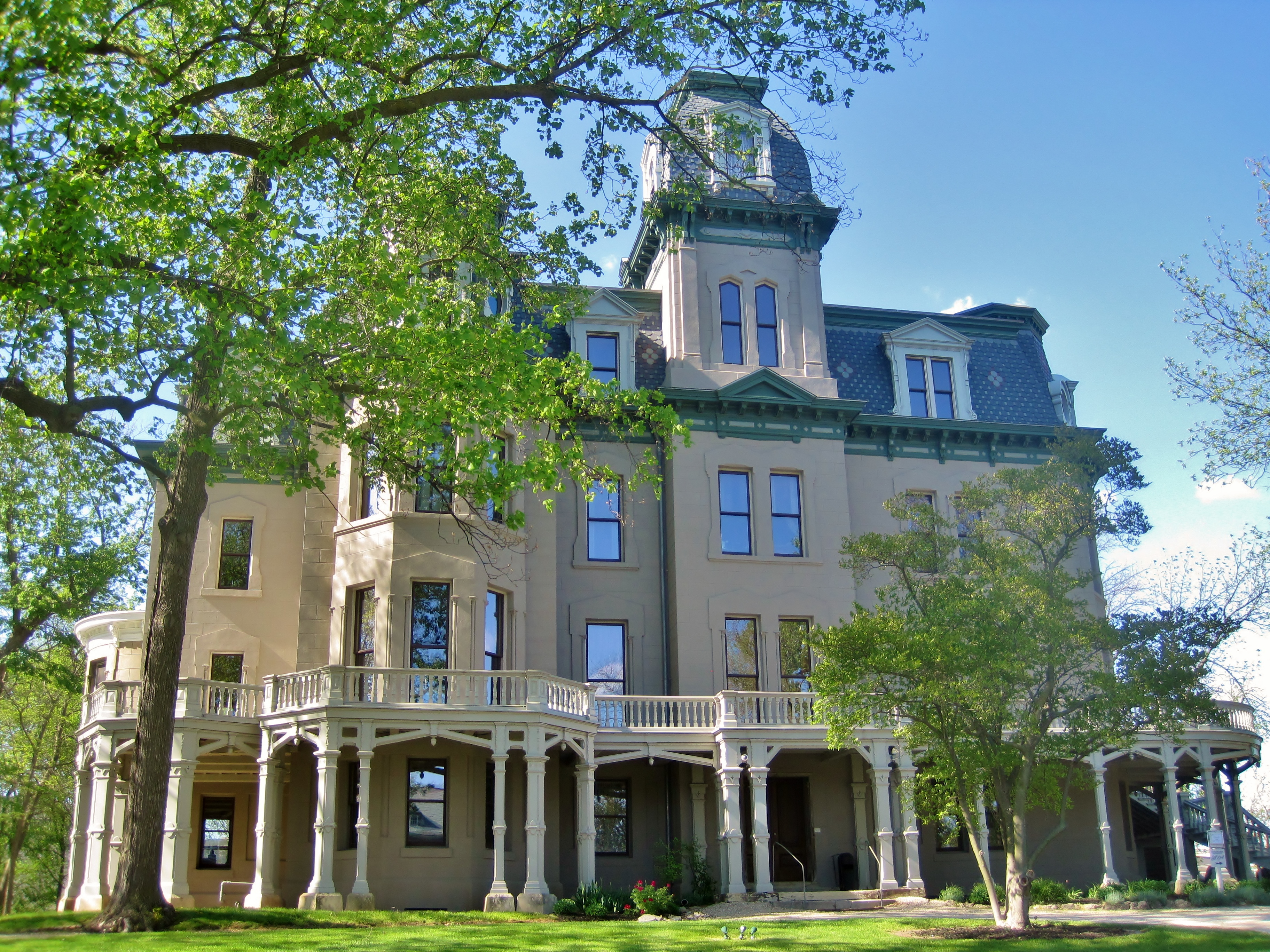
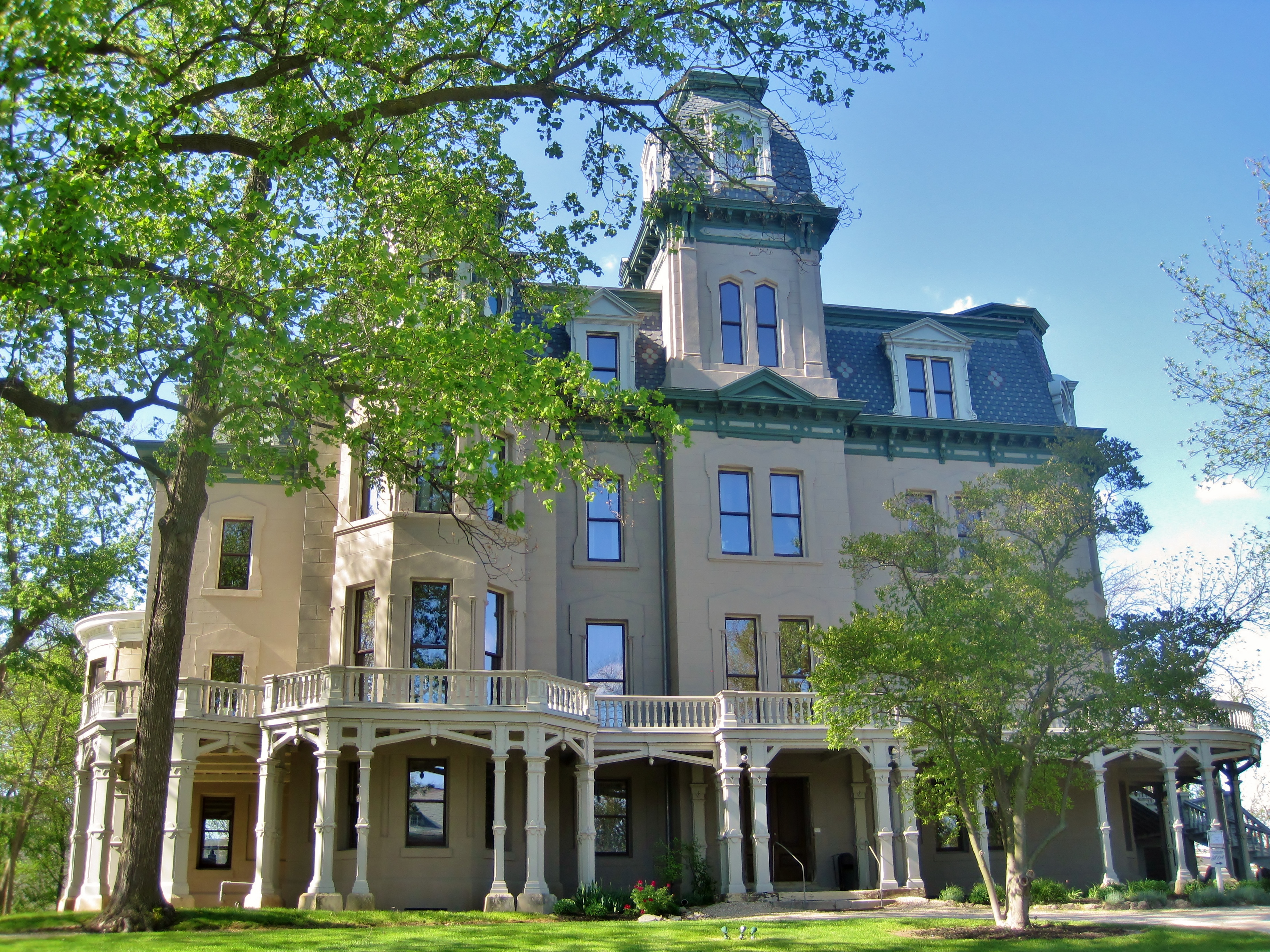
Seven floors. Fifty-seven rooms. Twenty-four thousand square feet. Ten fireplaces. A dining table that seats twenty-two. A hand-painted ceiling and a unique parquet floor in every public room — designed by August Fiedler, executed in 1876. The basement holds the oldest surviving private gymnasium in the United States, built in the German Turnverein tradition. The architect was William W. Boyington, the same man who designed the Chicago Water Tower.
Edward Hegeler, the German-born zinc magnate, built it. His daughter Mary became the first woman to earn an engineering degree at the University of Michigan, then ran the Matthiessen-Hegeler Zinc Company as president from 1903. Her husband Paul Carus ran Open Court Publishing from the first floor for thirty-two years and brought D.T. Suzuki — the man who would carry Zen Buddhism to the Western world — to live and work in LaSalle for eleven years. The last Carus to live in the mansion was Alwin, who stayed alone until he was ninety-nine, and would mosey downstairs to chat with tour visitors. He died at one hundred and two. National Historic Landmark, 2007. The original Open Court typesetting equipment is still in the basement.
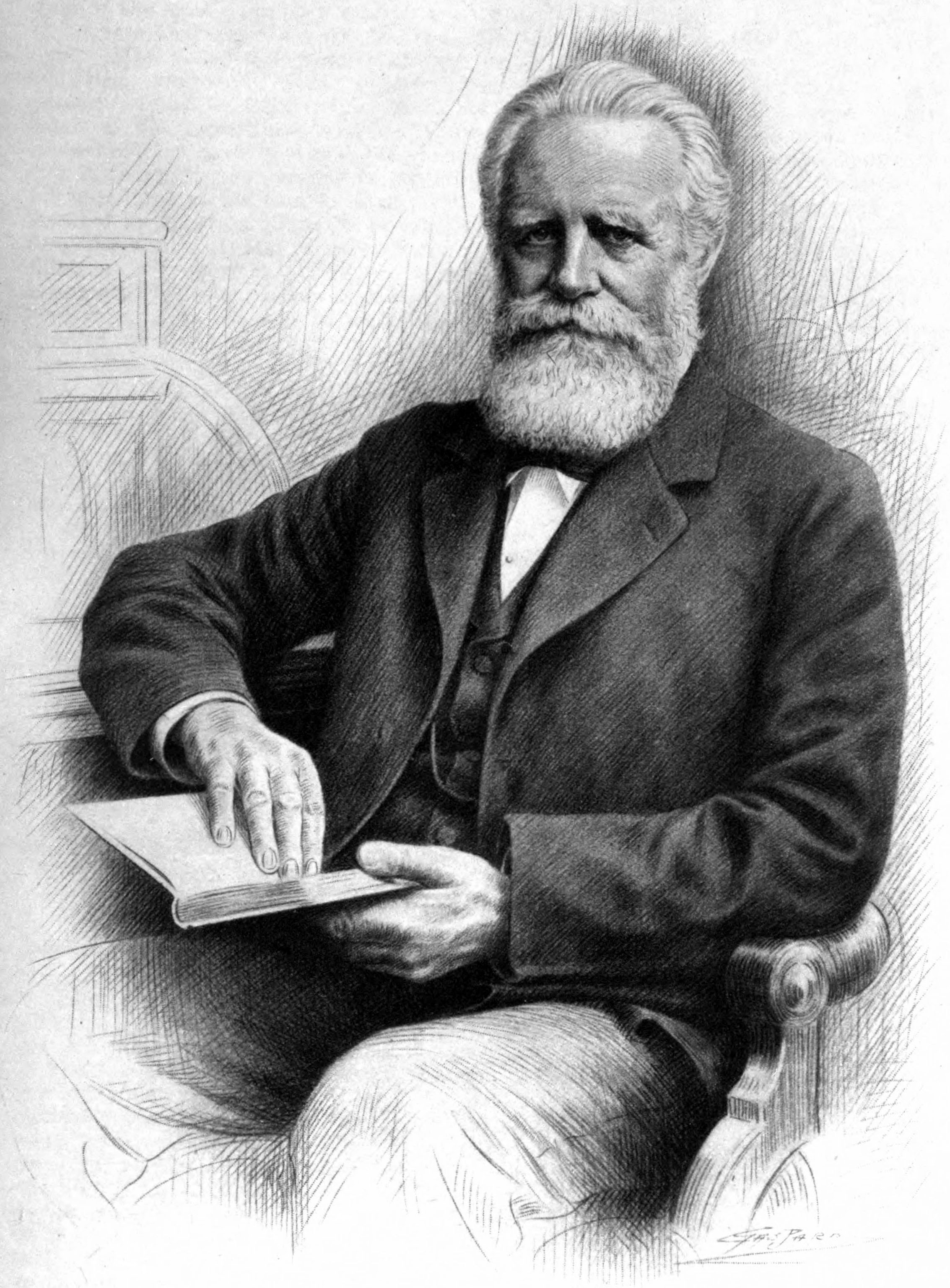
Edward C. Hegeler
1835–1910
Zinc magnate, builder of the mansion
Born in Bremen, German Confederation. Studied at the Polytechnic Institute at Hanover (1851-53), then the School of Mines at Freiberg, Saxony, where he met Frederick Matthiessen. Sailed to Boston in March 1857. Tested zinc-smelting prospects in Pennsylvania, Pittsburgh, Johnstown, and Missouri before picking LaSalle for its coal. Invented the muffle roast kiln, still used worldwide. Founded Open Court Publishing in 1887 to bring rigorous philosophy and Eastern religion to American readers. With his wife Camilla had ten children. Instituted an eight-hour workday at the zinc plant in 1885 — almost a decade before federal law required it.
Mary Hegeler Carus
1861–1936
Engineer, zinc-company president, Open Court editor
The first woman to earn an engineering degree at the University of Michigan (B.S. Engineering, 1882). The first woman legally registered as a student at the Bergakademie Freiberg in Germany (1885-86). Took over the Matthiessen-Hegeler Zinc Company as president from 1903 to 1936 — running an industrial empire that smelted more zinc than any company in the country. Married the philosopher Paul Carus in 1888; together they ran Open Court Publishing while raising seven children in the fifty-seven-room mansion on Seventh Street.
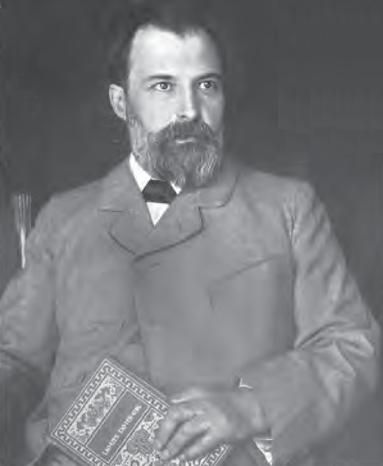
Dr. Paul Carus
1852–1919
Editor, Open Court Publishing
German-American philosopher. Hired in 1887 as Open Court's first editor and married Edward Hegeler's daughter Mary the next year — they had seven children. Wrote seventy-five books and roughly fifteen hundred articles. Credited with introducing Buddhism to the Western world through The Gospel of Buddha According to Old Records. Brought D.T. Suzuki — later the most influential Zen scholar of the 20th century — to LaSalle for eleven years. His correspondents and Open Court contributors included Charles Sanders Peirce, William James, Leo Tolstoy, Bertrand Russell, F. Max Müller, and Gottlob Frege.
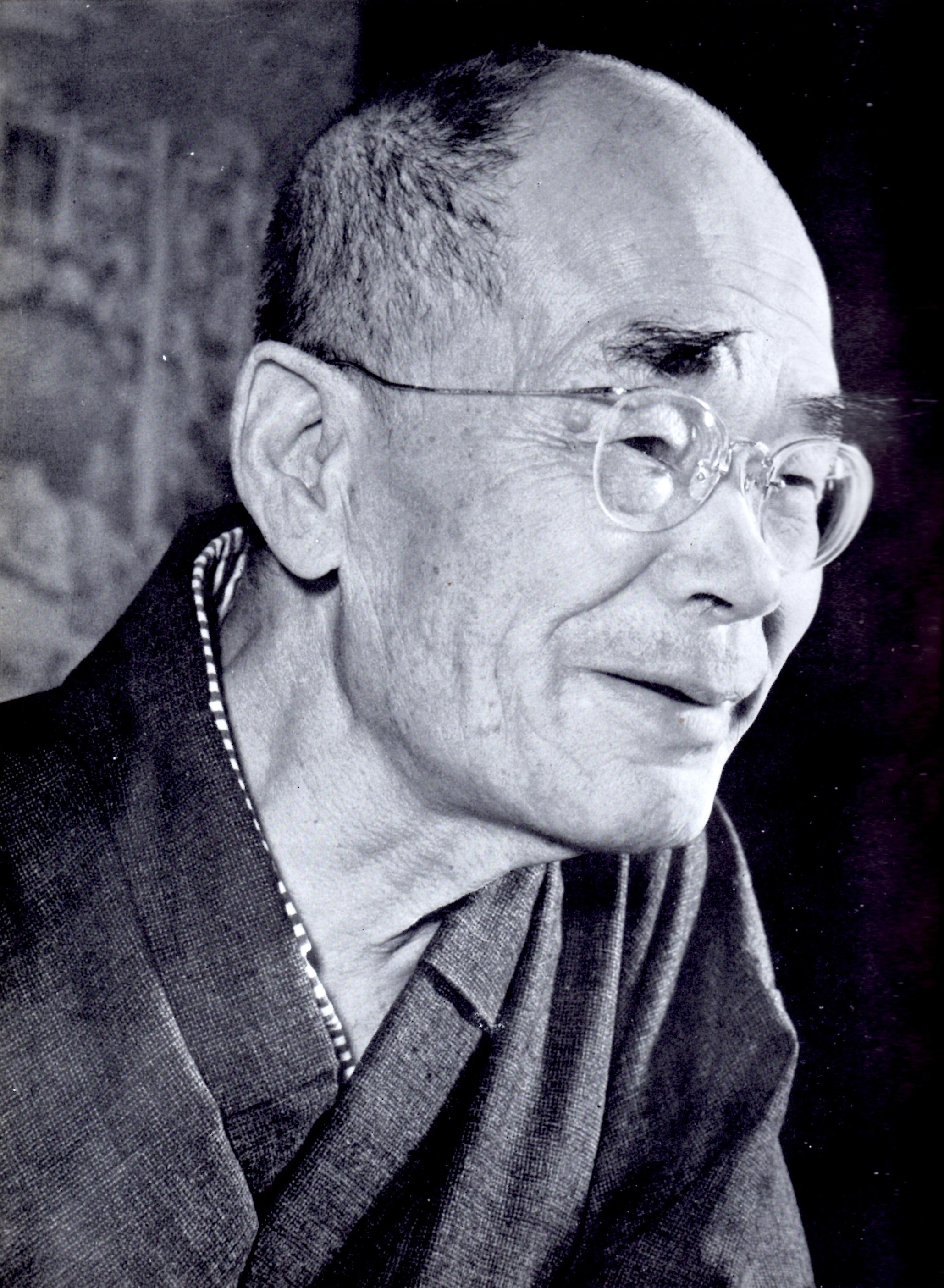
D.T. Suzuki
1870–1966
Zen Buddhist scholar
Lived and worked at the Hegeler-Carus Mansion in LaSalle from 1897 to 1908. Eleven years. Later became the most influential teacher of Zen Buddhism in the Western world. The fact that he did this in a sandstone-and-zinc river town in Illinois is one of the great unknown stories of American religious history.
Alwin Carus
1901–2004
Last family resident of the Hegeler-Carus Mansion
Lived alone in the fifty-seven-room mansion until he was ninety-nine. Donated the building to the new Hegeler Carus Foundation in 1995 with two conditions: nothing could be sold to fund the upkeep, and he got to keep living there. He'd mosey downstairs to chat with tour visitors. Died at one hundred and two.